详情
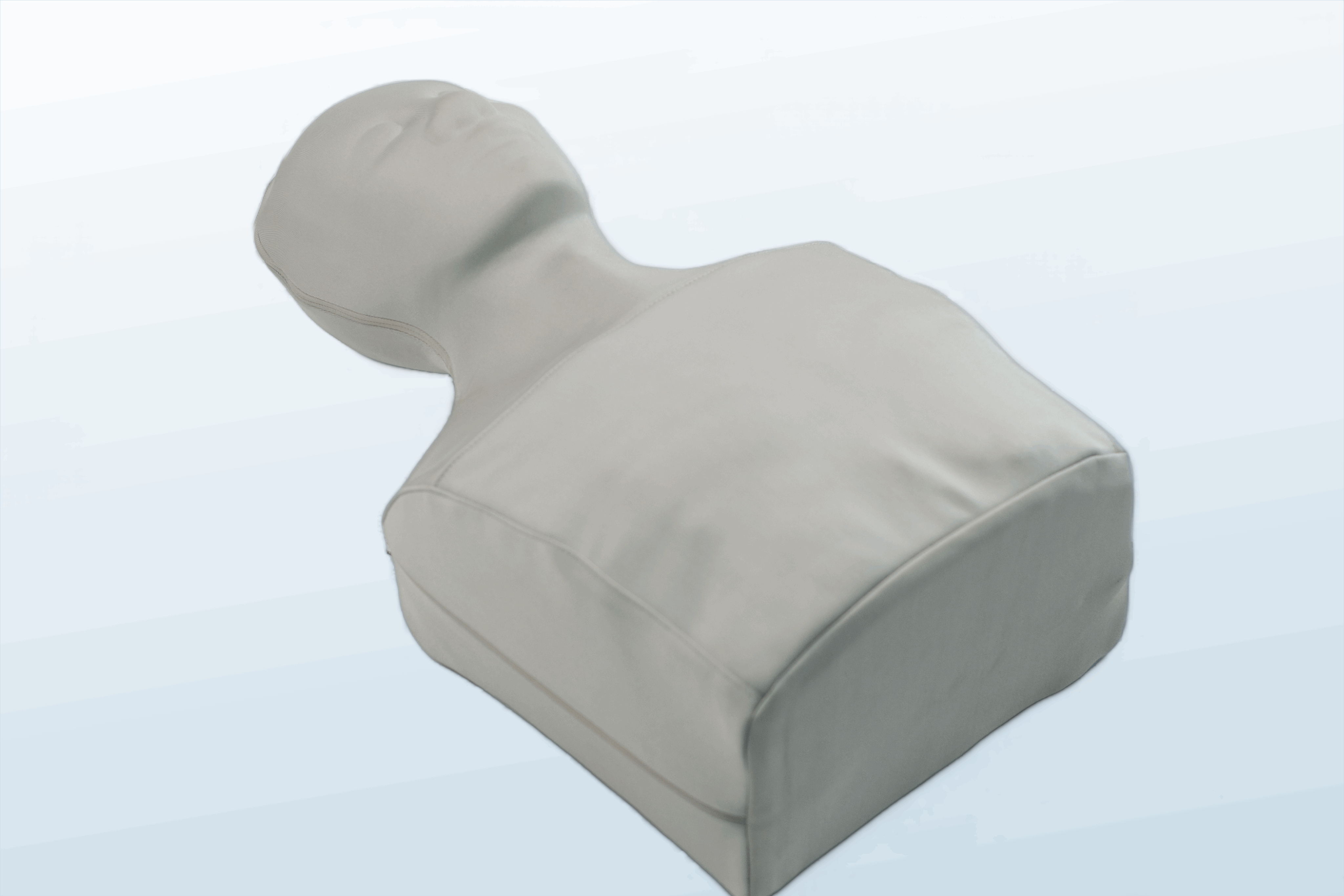
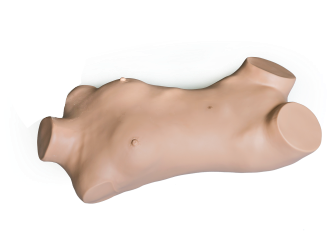
A simulated adult female half-body torso with clearly defined surface anatomical landmarks.
The surface skin is soft and smooth to the touch, while deep palpation provides realistic tissue resistance, closely replicating the feel of a real human abdomen.
The system is designed in accordance with teaching syllabi to support and reinforce abdominal physical examination skills.
1. Fundamental Knowledge
The system provides teaching content covering:
Abdominal anatomy and commonly used surface landmarks
Abdominal regional divisions
Common examination positions
Abdominal (diaphragmatic) breathing can be simulated, with adjustable respiratory amplitude.
At least five adjustable breathing frequency modes are available.
2. Abdominal Inspection
Abdominal inspection is demonstrated through animated video or interactive 3D visual presentations, enabling multi-angle instructional viewing.
2.1 Inspection Findings
The system includes teaching of no fewer than 22 different inspection findings, including:
Abdominal contour (e.g. flat, scaphoid)
Abdominal wall features (e.g. rashes, scars)
Abdominal veins (e.g. superior vena cava obstruction, inferior vena cava obstruction)
Gastrointestinal contour and peristaltic waves (e.g. gastric outline, peristalsis)
Upper abdominal pulsation and related findings
3. Abdominal Percussion
Percussion training includes no fewer than 9 instructional items, covering:
Percussion techniques
Liver dullness
Gastric tympanic area
Tenderness on percussion includes:
Costovertebral angle tenderness
Hepatic percussion tenderness
3.1 Hepatic Percussion Tenderness
Hepatic percussion tenderness can be set as present or absent.
The system provides synchronized instructional videos and explanations, supports interactive case scenarios with the model, and delivers simulated verbal feedback from the manikin in response to user actions.
3.2 Interactive Percussion Findings
Interactive simulation of percussion findings includes:
Liver dullness
Gastric tympany
In addition, at least five of the following percussion findings can be simulated:
Splenic percussion
Shifting dullness
Puddle sign
Bladder percussion
Costovertebral angle tenderness
4. Abdominal Auscultation
Abdominal auscultation training includes:
At least five types of bowel sounds
Vascular bruits at six anatomical sites
Friction rubs
Scratch test
5. Abdominal Palpation
5.1 General Palpation
Palpation training includes no fewer than 11 related items, such as:
Palpation sequence
Abdominal wall tension
Tenderness
Rebound tenderness
5.2 Localized Tenderness and Rebound Tenderness
The abdominal model can simulate tenderness and rebound tenderness at no fewer than 13 anatomical sites, including:
Gallbladder point
Stomach
Pancreatic point
Left costal margin / spleen
Liver / right costal margin
McBurney’s point
Left adnexa
Right adnexa
Tenderness intensity can be selected as none, mild, or severe.
5.3 Liver Palpation
Liver palpation can simulate variable degrees of liver enlargement or reduction.
Both single-handed and bimanual palpation techniques are supported.
Liver size can be adjusted with a precision of 0.1 cm, allowing flexible configuration for teaching purposes.
5.4 Spleen Palpation
Spleen palpation can simulate variable degrees of splenic enlargement, with size adjustment accurate to 0.1 cm.
The system supports teaching scenarios involving:
Mild splenomegaly
Moderate splenomegaly
Severe splenomegaly
5.5 Gallbladder Palpation
During gallbladder palpation, the model can demonstrate a positive Murphy’s sign.